
A Kenya safari is more than just a holiday — it’s an immersion into wilderness, rhythm, and discovery. To make the most of your journey, seasoned safari experts offer practical advice that can transform a good trip into an unforgettable one.
Don’t Rush Through Too Many Places
One of the most common mistakes first-time travelers make is trying to cram too many parks or camps into a single itinerary. Spending just one or two nights in each location means you’ll spend more time on the road than in the bush. Experts recommend allowing enough time at each lodge or camp to enjoy multiple game drives, soak in the atmosphere, and truly connect with the landscape.
Take to the Air, Not the Roads
While road journeys may seem adventurous, they can be exhausting. The drive from Nairobi to the Mara, for example, can take half a day or longer, with potholes, overloaded lorries, and buses making the journey stressful.
- Speed limits: Tourist vehicles are fitted with “speed governors,” restricting them to 80 kph (50 mph). Even on good roads, journeys can stretch to six hours or more.
- Flying saves time: A short flight delivers you directly to camp, often with breathtaking aerial views of Kenya’s landscapes.
For comfort and efficiency, experts strongly recommend fly-in safaris over long overland drives
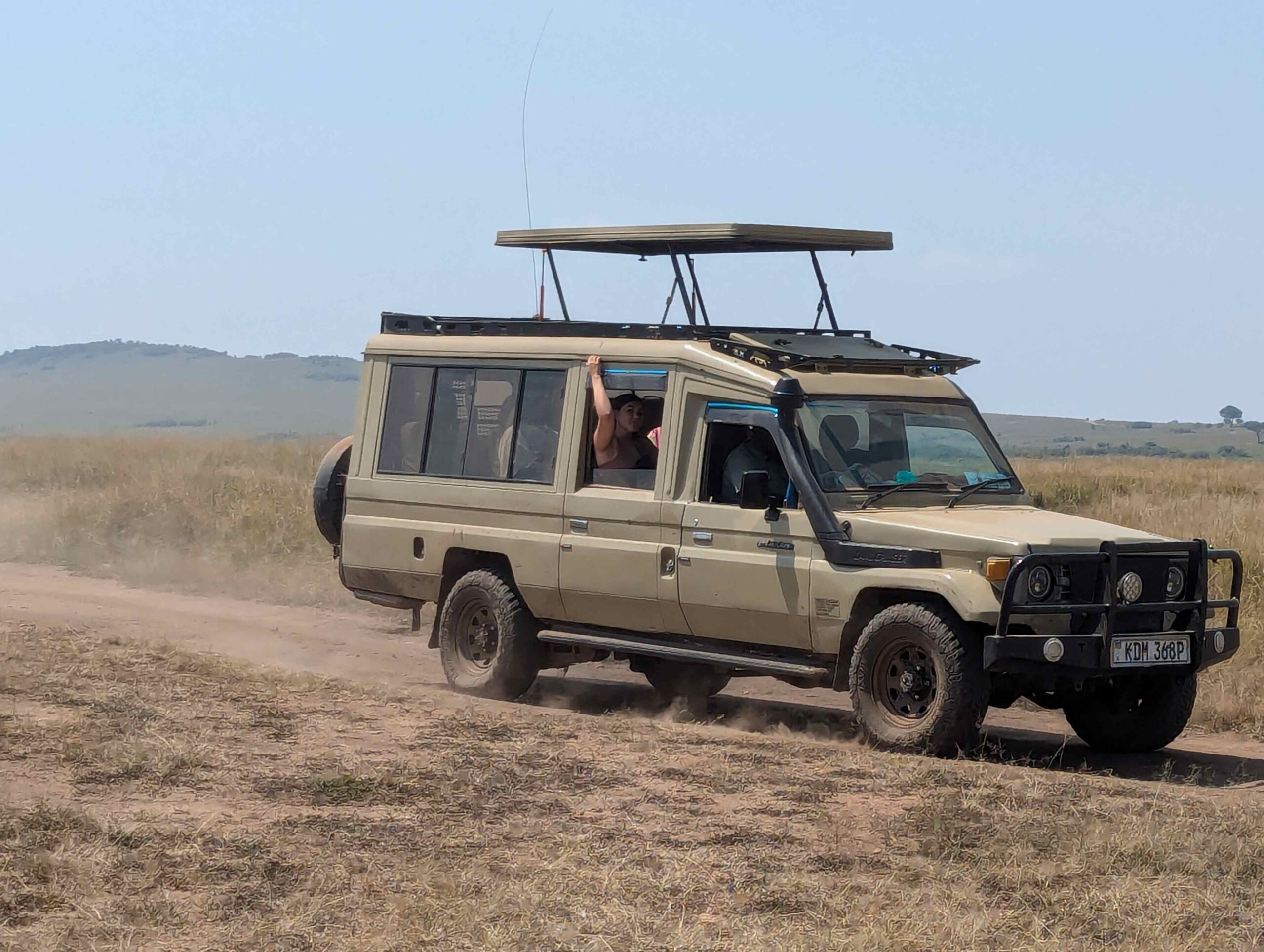
Always Choose Proper 4×4 Safari Vehicles
The vehicle you use on game drives can make or break your safari. Experts caution against minibuses (vans), which struggle on rough tracks and often get stuck in muddy conditions.
Instead, look for camps that use specially adapted 4×4 safari vehicles with:
- Open sides for unobstructed views and photography.
- Three rows of seating, accommodating up to six guests — ensuring everyone has a window seat.
- Rugged suspension for comfort on bush tracks.
Stay in Wildlife Conservancies
Kenya’s growing network of wildlife conservancies offers a more exclusive safari experience. These reserves, located adjacent to national parks, limit visitor numbers and camp sizes to ensure low-density tourism.
Benefits include:
- Enhanced sightings: Fewer vehicles mean better photo opportunities and more intimate wildlife encounters.
- Unique activities: Conservancies allow night drives and walking safaris, experiences not permitted in national parks.
- Community support: Conservancies generate income for local communities through land rental and employment, meaning your stay supports both people and wildlife.
For the best of both worlds, choose camps that offer game drives in both conservancies and the main parks.
Be Prepared for Photography & Viewing
Capturing safari moments requires preparation:
- Carry spare batteries and memory cards; recharge devices each night.
- Many camps provide charging facilities, and some vehicles (like those at Masai Mara Holidays) even have in-car chargers.
- Ensure each traveler has their own binoculars — sharing means missed opportunities.
- Read up on wildlife photography tips before you go, and consider investing in a field guide to enrich your understanding of the animals and birds you’ll encounter.
Don’t Just Choose the Cheapest Option
Safaris are an investment, and the old saying “you get what you pay for” applies. Budget tours often involve:
- Long, tiring road journeys.
- Large, impersonal lodges near settlements, where noise disturb the wilderness experience.
Paying a little more can secure a memorable safari that makes you want to return. Experts suggest:
- Setting a realistic budget and choosing the best camps you can afford.
- Reducing flights to manage costs — for example, exploring multiple areas within the Mara (Ol Kinyei, Olare Motorogi, and the Mara Reserve) rather than flying to both the Mara and Serengeti, which share the same ecosystem but are in different countries.
Pack Warm Clothes
Kenya’s altitude surprises many visitors. Early mornings and evenings can be chilly, especially between June and September. Bring a warm jacket, fleece, and sweater that you can layer and remove as the day warms up.
Stay Hydrated
The dry air and heat can cause dehydration without you realizing it. Always carry a bottle of water and drink regularly throughout the day.
Your Driver-Guide Matters
A knowledgeable guide can elevate your safari from ordinary to extraordinary. Look for camps with guides certified by the Kenya Professional Safari Guides Association (KPSGA).
- Certified guides share deep insights into wildlife behavior and ecosystems.
- Some camps use a two-person team — a driver and a spotter — ensuring both the road and the bush are expertly covered. Two trained sets of eyes dramatically increase your chances of memorable sightings.