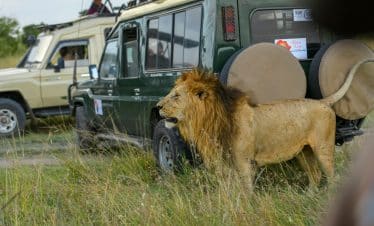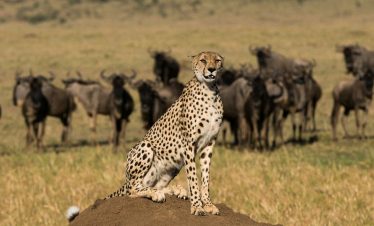
A Kenya safari offers one of the most iconic wildlife experiences on the planet. From witnessing the Great Migration across the rolling plains of the Masai Mara to watching massive elephant herds against the backdrop of Mount Kilimanjaro in Amboseli, Kenya is a dream destination for wildlife enthusiasts.
However, many travelers planning their ultimate East African adventure wonder how to pair classic game drives with an up-close encounter with endangered mountain gorillas. It is essential to know that wild mountain gorillas do not live in Kenya. Instead, these gentle giants inhabit the high-altitude cloud forests of neighboring Uganda and Rwanda, as well as the Democratic Republic of Congo.
Fortunately, combining a classic Kenya savanna safari with a gorilla trekking expedition is seamless with the right itinerary planning. Below is your complete guide to structuring a multi-country East Africa safari.
Guide to This Article
- Where to See Mountain Gorillas
- How to Get There from Kenya
- Uganda vs. Rwanda Gorillas: Which Should You Choose?
- How to Acquire a Gorilla Permit
- Visa Requirements for Multi-Country Travel
- Best Time for a Kenya Safari & Gorilla Trek
- Popular Kenya -Gorilla Trekking Itineraries
1. Where to See Mountain Gorillas
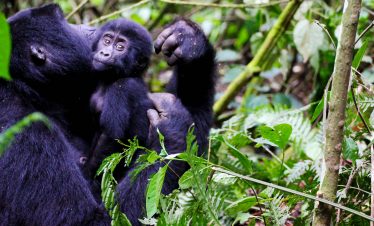
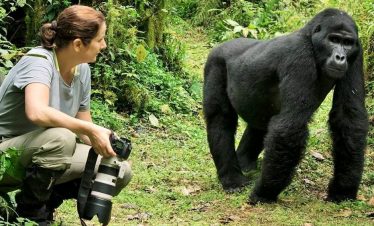
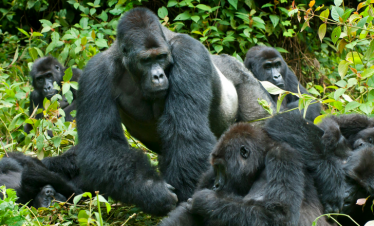
Mountain gorillas (Gorilla beringei beringei) survive only in two isolated habitats in East-Central Africa. Because they cannot survive in captivity, tracking them in their natural habitat is the only way to experience an encounter.
Bwindi Impenetrable National Park (Uganda)
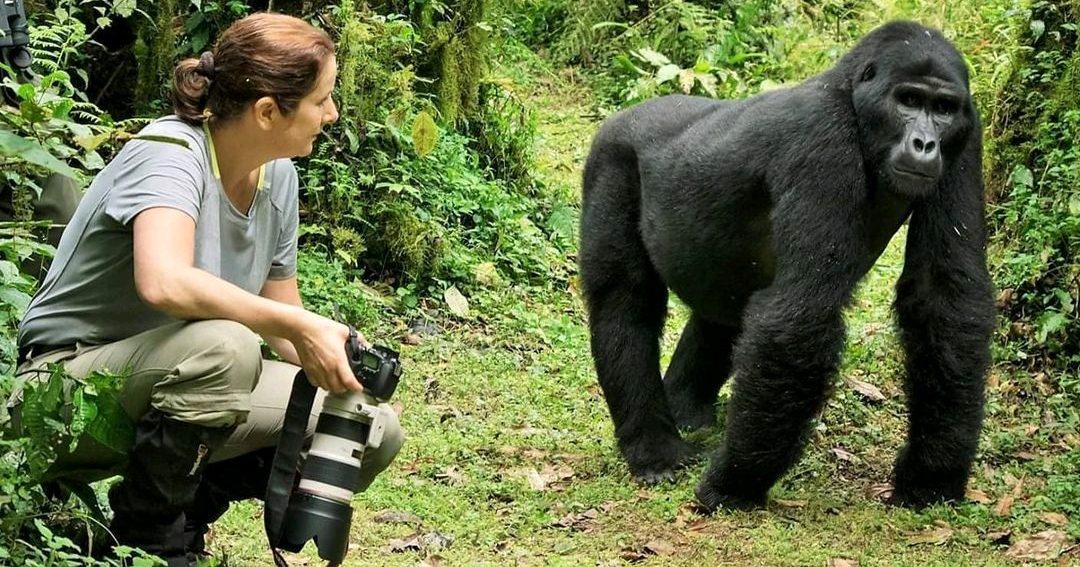
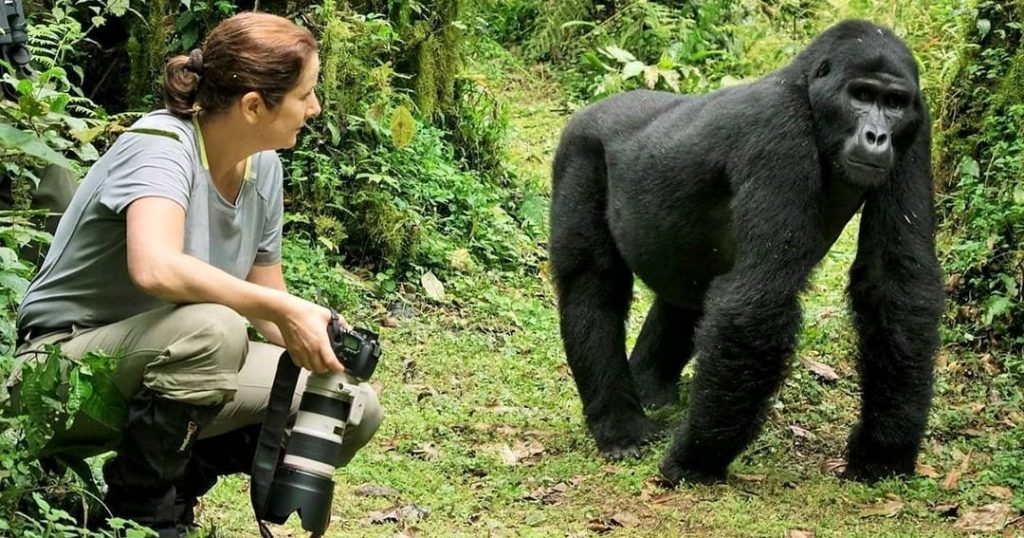
Located in southwestern Uganda, Bwindi is a UNESCO World Heritage site and home to roughly half of the world’s remaining mountain gorilla population. The park is divided into four distinct trekking sectors: Buhoma, Ruhija, Rushaga, and Nkuringo. Bwindi offers dense tropical rainforest, high biodiversity, and mountain gorilla habituation experiences.
The Virunga Massif (Rwanda, Uganda, DRC)
The Virunga Mountains span across three national parks:
- Volcanoes National Park (Rwanda): Known for its accessible terrain, bamboo forests, and historical connection to researcher Dian Fossey.
- Mgahinga Gorilla National Park (Uganda): Uganda’s smaller Virunga park, offering quiet trekking trails on the slopes of Mount Gahinga, Mount Sabyinyo, and Mount Muhavura.
- Virunga National Park (Democratic Republic of Congo): Located in eastern DRC. (Note: Tourism operations here are frequently paused due to regional security concerns).
2. How to Get There from Kenya
Connecting Kenya’s savanna parks to the gorilla forests requires strategic flight routing. The two primary transit hubs are Entebbe (Uganda) and Kigali (Rwanda).
Kenya (Nairobi - NBO) ──✈ Flight (1.5 hrs) ──> Uganda (Entebbe - EBB) ──✈ Flight / Drive ──> Bwindi
                                     │
                                     └──✈ Flight (1.5 hrs) ──> Rwanda (Kigali - KGL)  ── Drive (2.5 hrs) ─> Volcanoes NP
Option A: Flying from Kenya to Rwanda (Volcanoes National Park)
- Fly: Take a direct flight from Nairobi (NBO) to Kigali International Airport (KGL) on Kenya Airways or RwandAir (approx. 1.5 hours).
- Drive: From Kigali, Volcanoes National Park is a smooth 2.5 to 3-hour drive on paved roads. This makes Rwanda the most time-efficient option for short itineraries.
Option B: Flying from Kenya to Uganda (Bwindi / Mgahinga)
- Via Domestic Flight in Uganda: Fly from Nairobi (NBO) to Entebbe International Airport (EBB) on Kenya Airways or Uganda Airlines (approx. 1 hour 15 minutes). From Entebbe, take a domestic scheduled flight (Aerolink Uganda) to Kihihi or Kisoro airstrip (approx. 1 hour 15 minutes), followed by a 1 to 2-hour road transfer to your lodge.
- Via Kigali (The Uganda Shortcut): Fly from Nairobi to Kigali (Rwanda), then take a scenic 4 to 5-hour overland drive across the border (Cyanika or Katuna post) into southern Bwindi or Mgahinga in Uganda. This avoids long overland drives from Entebbe (which take 8–10 hours).
3. Uganda vs. Rwanda Gorillas
Both destinations offer safe, highly regulated, and memorable wildlife encounters, but the logistical setup, terrain, and pricing differ significantly.
| Feature | Uganda (Bwindi & Mgahinga) | Rwanda (Volcanoes National Park) |
| Permit Price | $800 USD per person | $1,500 USD per person |
| Drive Time from Capital | 8–10 hours from Entebbe (or 4–5 hrs from Kigali) | 2.5–3 hours from Kigali |
| Terrain & Hiking | Steeper, denser jungle; physically demanding | Open bamboo slopes; generally easier trekking |
| Accommodations | Wide range (Budget, Mid-range, Luxury) | High-end ultra-luxury lodges dominant |
| Gorilla Population | ~459 gorillas (~25 habituated families) | ~300 gorillas (12 habituated families) |
4. How to Acquire a Gorilla Permit
Gorilla permits are strictly limited per day to protect the habituated groups and prevent overcrowding. Each permit grants one hour with a gorilla family once located.
- Uganda Permits ($800 USD): Issued by the Uganda Wildlife Authority (UWA). Permits are specific to one of the four Bwindi sectors or Mgahinga.
- Rwanda Permits ($1,500 USD): Issued by the Rwanda Development Board (RDB).
- How to Book: Because permits sell out months in advance during peak season, travelers typically secure them through a registered local tour operator who handles the reservation, payment, and physical permit retrieval directly with UWA or RDB.
5. Visa Requirements
Traveling across East Africa for a combined safari requires specific travel authorization for each country visited.
- East Africa Tourist Visa (EATV): The most convenient option for this combination. Costing $100 USD, the EATV is a joint tourist visa allowing multiple entries between Kenya, Uganda, and Rwanda over 90 days.
- Important Rule: You must apply for the EATV through the country you will enter first. If your safari starts with game drives in Kenya, apply via Kenya’s official e-Visa portal.
- Single-Entry Visas: If traveling to only two countries (e.g., Kenya and Rwanda), individual electronic visas/travel authorizations can be purchased separately via each nation’s official immigration portal prior to arrival.
6. Best Time for a Kenya Safari & Gorilla Trekking
The ideal time to combine Kenya game drives with gorilla trekking is during the dry seasons, when wildlife viewing in the savannas is at its peak and mountain forest trails are least muddy.
Jan   Feb   Mar   Apr   May   Jun   Jul   Aug   Sep   Oct   Nov   Dec
[ Peak Dry ]  [  Long Rains  ] [    Peak Dry & Migration    ] [Short] [Dry]
- June to October (Best Overall): This coincides with the dry season in both Kenya and the gorilla highlands. It is also the peak window for the Great Wildebeest Migration in the Masai Mara. Forest trails in Bwindi and Volcanoes are firm, making trekking easier.
- December to February (Secondary Peak): Excellent dry season conditions across East Africa. High game visibility around waterholes in Kenya, with mild weather for mountain trekking.
- March to May & November (Rainy Seasons): Characterized by heavier rainfall. While rainforest trails become slick and mud-heavy, lodges often offer lower rates, and parks are less crowded.
7. Popular Kenya Gorilla Trekking Itineraries
Checkout our carefully crafted itineraries that feature safari in Kenya and extended gorilla trekking experiences to the highlands of Bwindi Impenetrable National Park.